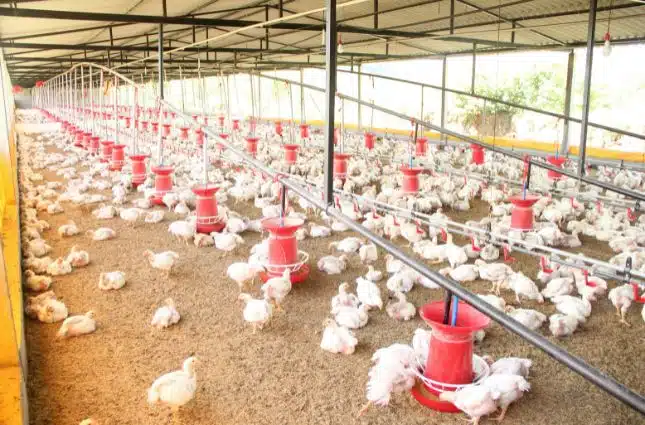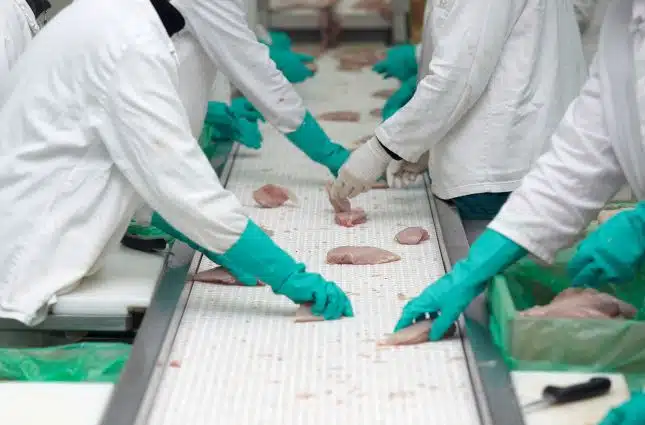

Modern poultry management systems organize live production around flocks (breeder, layer, broiler), each with distinct objectives. A unique flock ID anchors complete histories—inputs like grit and feed, light and temperature settings, egg production, and culling—while tying birds to specific houses that track energy, water, and equipment. Resources (feed, litter, lamps, guards, waterers, equipment) are inventoried in warehouses with reorder points; tasks reserve and record usage. Daily egg collection, cleaning, packing, and shipment link back to flocks, and ERP financials connect purchasing, resource application, and sales to provide clear profitability and yield by flock and period.